
Discovering the Roots: Origins of Country Club
Every neighborhood in Decatur, IL, has its own story; few tales are as deeply woven into the city’s tapestry as the Country Club neighborhood. Tucked along the northwestern edge of Decatur, this area’s genesis traces back to the early 20th century, when Decatur was flourishing as a hub for industry and commerce. As city leaders and successful entrepreneurs sought an escape from the bustle of the growing downtown, the green, rolling landscape near what would become the Decatur Golf & Country Club beckoned as the perfect setting for a new residential oasis.
In 1910, visionary planners began platting the residential streets west of North Country Club Road, planting the seeds for a stately enclave that would blend refined suburban design with the natural beauty of mature trees and pristine lawns. The neighborhood took its name from the newly established golf course and country club—a private gathering spot for Decatur’s burgeoning professional class.
The Name That Shaped a Community
The Decatur Golf & Country Club opened its doors in 1920, lending its name—and prestige—to the surrounding homes. Naturally, the value of living “by the Club” became a point of pride, and houses quickly sprung up along Country Club Road, Cantrell Street, Ash Drive, and Southland Drive. The exclusivity and tight community feel set the tone for generations to come.
It wasn’t just the golf course itself that defined the neighborhood. The Country Club soon became a social center, hosting galas, community tournaments, and family celebrations. Membership extended not only leisure opportunities but a sense of belonging—an identity that residents carried with them for decades.
Architectural Milestones and Notable Landmarks
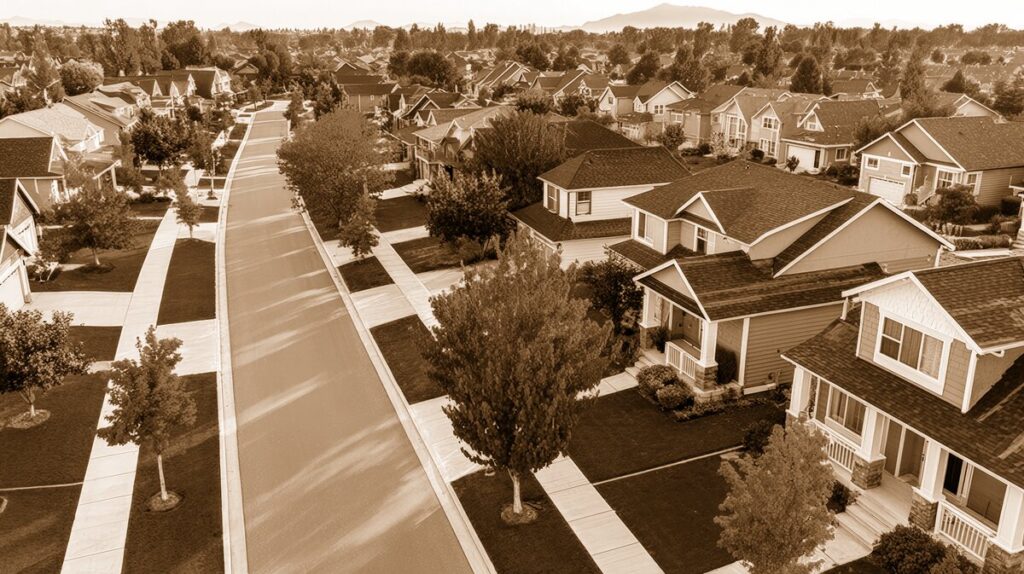
Winding through the Country Club neighborhood, it’s impossible not to notice the distinctive architecture. Early homes were designed in classic Colonial Revival, Tudor, and Craftsman styles, several of which are still lovingly maintained and recognized on local heritage tours. Grand entryways, brick facades, and wide front porches recall a time when craftsmanship was paramount.
Some of the most notable landmarks include:
- The Decatur Golf & Country Club Clubhouse: An elegant structure dating back to the 1920s, reconstructed after a fire in 1935, continuing to serve members and guests today.
- West Main Street Entrance: Marked by a graceful canopy of old-growth trees and historic lamp posts, this “gateway” is beloved by walkers, joggers, and photographers alike.
- Wabash Trail: This former railroad corridor, now a recreational trail, touches the neighborhood’s western edge and brings outdoor serenity to residents.
- Nearby Fairview Park: Though not technically within the neighborhood’s strict boundaries, this sprawling city park off West Eldorado is a vital green space for the entire area, hosting everything from summer band concerts to the annual Decatur Celebration.
Key Historical Milestones
The story of Country Club is punctuated by markers of progress and resilience. The 1930s saw both hardship and transformation, as the Great Depression stalled homebuilding nationwide. However, the resourceful spirit of the residents shone as the community rallied to maintain the club and the neighborhood’s signature landscapes.
In postwar decades, the Country Club neighborhood blossomed. Ranch-style homes joined older two-stories, reflecting contemporary tastes while respecting established charm. The 1960s and 70s brought modest growth, and, through careful zoning, the area avoided the pitfalls of overdevelopment. This stewardship ensured that green spaces—such as the central lawns near Southwood Drive and the wooded lots along Country Club Road—remained an essential feature.
Modern Day Country Club: Preserving Heritage, Embracing the Future
Today, the Country Club neighborhood remains one of Decatur’s most sought-after addresses. Generations of families have called these tree-shaded streets home, many with multi-decade roots in the area. The neighborhood’s close-knit feel flourishes through annual block parties, club-hosted family nights, and volunteer-driven beautification projects.
Institutionally, the Decatur Golf & Country Club continues to be a focal point, offering not only golf but tennis, swimming, and dining. Many residents appreciate being within walking or biking distance of these amenities, as well as proximity to both downtown Decatur and the peaceful Wabash Trail.
There’s also pride in the way the neighborhood continues to honor its heritage. Renovation and restoration projects favor preservation over modernization, carefully maintaining original masonry, woodwork, and landscape design wherever possible. This gentle evolution allows new families and young professionals to put down their own roots, while still enjoying the country club tradition that has defined the area for over a century.
What Makes Country Club Special
What’s kept Country Club special through the decades? Ask any resident, and you’ll hear similar themes: a shared history, a love of neighborhood beauty, and a sense of community purpose. A stroll down Country Club Road, with its historic homes and shaded yards, can feel like stepping back in time—yet there’s vibrancy and promise at every corner.
It’s not uncommon to see neighbors chatting on front lawns, children riding bikes down West Main or Ash Drive, or families gathering for picnics in Fairview Park just beyond the neighborhood boundary. From its storied origins to its enduring present, the Country Club neighborhood stands as a testament to what’s possible when residents invest their hearts—and their history—into the fabric of their community.
Whether you’re a lifelong resident or a first-time visitor, there’s always something inspiring in Country Club’s past—and plenty of promise in its bright, welcoming future.